How Basketball Club Teams San Diego Foster Resilience and Grit
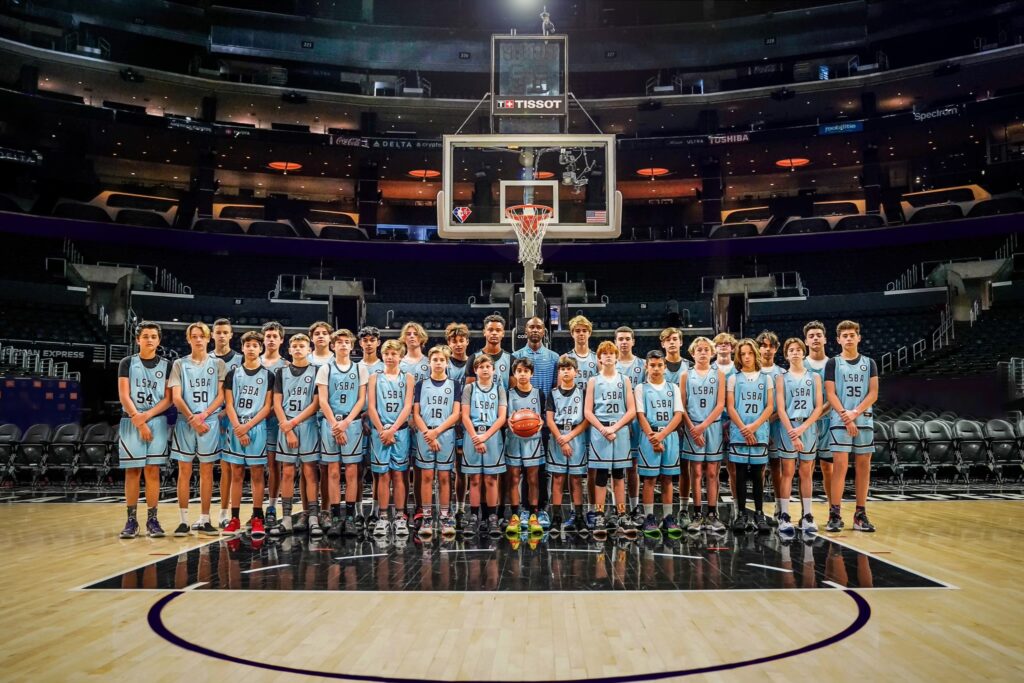
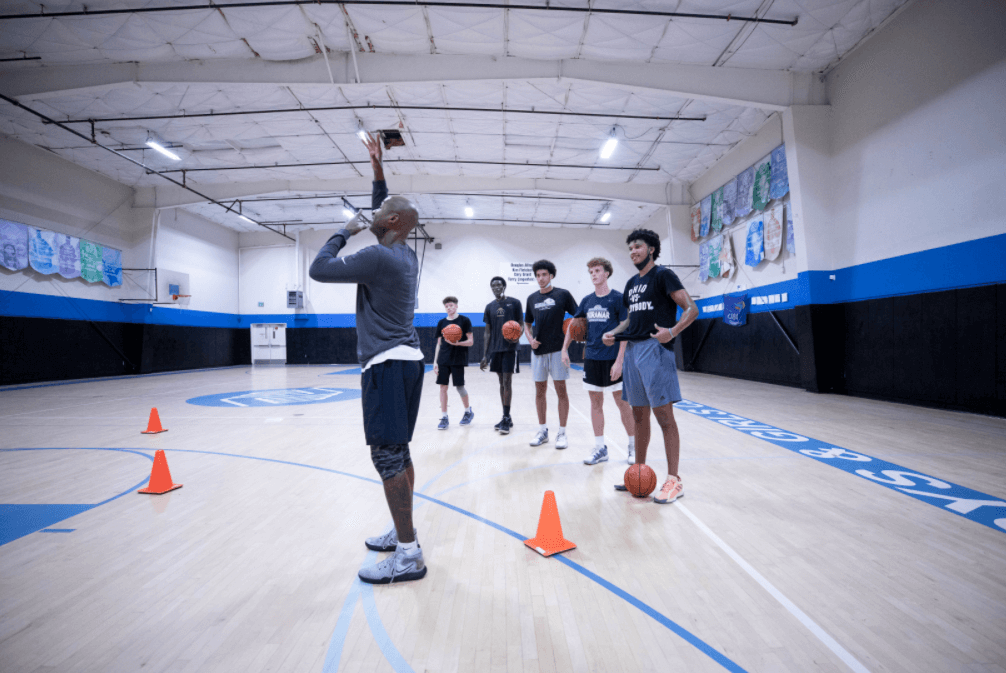
Spend enough time around youth basketball, and one truth becomes obvious fast. The game teaches far more than footwork, spacing, and shot selection. It exposes character. It rewards consistency. It punishes excuses. And in a city as competitive, spread out, and energetic as San Diego, club basketball can become one of the clearest training grounds for resilience and grit a young athlete will ever encounter.
That does not happen automatically. Simply joining a team does not harden resolve or build maturity. The growth comes from the repeated demands of the environment, early practices, long tournament weekends, difficult coaching conversations, role changes, losses that sting for days, and the constant pressure to improve while balancing school, family, and a social life. When Basketball Club Teams San Diego are run well, they create a structure where players learn how to respond to adversity rather than avoid it.
Parents often look at club basketball through a familiar lens. They want stronger skill development, better competition, and maybe a pathway to high school varsity, college recruitment, or both. Those are understandable goals. But some of the most valuable returns are less visible. A player who learns how to defend without fouling after getting beat repeatedly is also learning emotional control. A player who earns minutes after sitting for two months is learning delayed gratification. A team that loses a close semifinal on Sunday and still shows up focused on Tuesday is learning resilience in its most practical form.
Why resilience matters more than highlights
Youth sports culture can be noisy. Social media clips reward flashy moments, and tournament chatter can make it sound like every weekend is a referendum on a player's future. In that atmosphere, grit becomes a stabilizing force. Players need an internal standard that outlasts praise, criticism, and random swings in performance.
Basketball is unusually effective at teaching this because failure is built into the game. Even good shooters miss more often than casual fans realize. Defenders get screened. Ball handlers turn it over. Starters have off nights. Refs miss calls. Teammates make mistakes at bad times. There is no clean path through a season. The players who stay steady are usually the ones who grow the fastest.
That pattern is especially clear in club settings. Basketball Club Teams San Diego often compete against deep local talent, travel for tournaments, and practice with players who are fighting for the same minutes. The environment is healthy when it pushes kids to improve without reducing them to rankings or labels. In my experience, the athletes who benefit most are not always the early stars. Often, they are the players who get challenged before they get celebrated.
A seventh grader who cannot yet handle pressure defense may struggle all spring. By late summer, that same player may become reliable because she has spent months learning how not to panic. A freshman who gets exposed by older guards in practice may look overwhelmed in April and composed by November. The skill gains matter, but the deeper win is psychological. They stop seeing difficulty as proof they do not belong. They start seeing it as the cost of getting better.
The daily grind teaches lessons no speech can replace
Coaches talk about toughness all the time. Players hear words like compete, lock in, respond, and finish. Those phrases only matter when attached to repeated habits. Club basketball works because it forces repetition under pressure.
A normal week can be demanding. Players rush from school to practice. Families deal with traffic, late dinners, homework, and fatigue. Then they return and do it again. Over time, this rhythm teaches something valuable: commitment is not a feeling. It is a pattern.
The strongest programs do not glamorize hardship for its own sake. They use it carefully. A hard defensive practice after a poor tournament weekend can sharpen accountability. Conditioning at the end of a sloppy session can reinforce standards. Film review can force a player to face mistakes without hiding behind excuses. None of that feels comfortable, and that is precisely why it matters.
There is a difference between stress that breaks confidence and stress that builds capacity. Experienced coaches know the line. They push, but they also explain. They correct, but they do not humiliate. They demand effort, but they make sure athletes understand what improvement actually looks like.
That balance matters in youth sports. Grit is not blind endurance. It is the ability to persist with purpose. A player running sprints because a coach is angry learns very little. A player being held to a clear standard after repeated mental errors learns something lasting. The lesson is not just work harder. The lesson is work accurately, recover quickly, and keep going.
Role acceptance might be the toughest lesson in the gym
One of the biggest resilience tests in club basketball has nothing to do with shooting drills or tournament brackets. It is role acceptance. Every team has players who scored freely on previous teams and then discover they are no longer the primary option. Some adapt. Some resist. The way that process unfolds often reveals more about long-term potential than raw talent does.
A player may enter a club program as the best athlete in a local rec league and suddenly become the third guard, or the defensive specialist, or the first sub instead of the centerpiece. That can feel like a step backward. For many teenagers, it hits identity as much as ego. They are not just adjusting to less playing time. They are adjusting to a new picture of who they are.
Handled properly, this is where real grit develops. The player who learns to screen harder, defend multiple positions, rebound out of area, and value possessions despite fewer touches is learning mature basketball. More importantly, that player is learning to contribute without constant validation.
I have seen this play out in ways that change athletes for the better. A scorer who once floated through defensive possessions becomes the team's most trusted on-ball defender because that is how she earns the floor. A guard who complained about minutes starts studying film, cleaning up turnovers, and leading huddles. Six months later, that player is more complete and more respected than when she arrived.
Not every athlete embraces this quickly. Some need direct conversations. Some need time. Some need to fail before they listen. Club basketball gives them repeated opportunities to choose a response. That choice, made over and over, is the heart of grit.
San Diego's basketball landscape creates healthy pressure
San Diego has its own rhythm as a basketball community. There is strong local talent, wide geographic spread, and a steady mix of school ball, club schedules, private training, and tournament travel. That ecosystem creates both opportunities and pressure.
Because the county is large, commitment is visible. Families drive significant distances for practices and games. Athletes wake early for weekend events and finish late on school nights. The logistics alone demand discipline. It takes resilience to sustain that pace without letting standards drop elsewhere.
There is also meaningful competition for attention and opportunity. Players are often trying to stand out in crowded gyms, earn trust from new coaches, and prove they can translate training into game performance. In a place with many ambitious athletes, nobody gets to coast for long.
This is one reason Basketball Club Teams San Diego can be so formative. The setting rewards players who keep showing up with seriousness, even when progress feels slow. Talent matters, of course. So do size, timing, and opportunity. But the player who handles setbacks well often outlasts the player who peaks early.
That does not mean every club environment is healthy by default. Some programs overschedule. Some chase exposure before development. Some place too much emphasis on short-term winning. Families need to judge carefully. Still, when the culture is right, the local basketball scene becomes a strong teacher. Players learn to compete without drama, travel without excuses, and improve without needing constant applause.
Losses do some of the best teaching
Winning is fun, and any honest coach wants to win. But losses often reveal the https://www.google.com/maps?cid=10211666664564973643 character of a team faster and more clearly. The most useful question after a hard defeat is not whether the players feel bad. Of course they do. The real question is what they do next.
A tough tournament loss can expose conditioning issues, poor communication, weak transition defense, or a lack of composure late in games. Good programs do not rush past those lessons. They review them, address them, and make players own their part.
Sometimes the growth comes from a game the team should have won. Those losses sting because players know exactly where they slipped. A missed box-out. Two careless turnovers. A technical foul after frustration boiled over. These moments stay with athletes, and that is often useful. Memory can be a powerful coach when paired with reflection rather than shame.
I remember seeing a team lose a bracket game after giving up a late offensive rebound and kick-out three. Practice that week did not include dramatic speeches. The coach spent twenty minutes on rebounding position, communication, and finishing possessions. Players were frustrated, but they were also locked in because the lesson was now real. The next month, that same team closed out several tight games with far more poise. They had learned that resilience is not just emotional recovery. It is technical correction under pressure.
This is where club basketball can surpass casual seasonal play. The density of competition creates quick feedback. Weaknesses do not stay hidden long. Players either absorb those lessons or repeat them. Over time, the ones who improve are usually the ones who stop treating mistakes as personal insults and start treating them as information.
Coaches shape grit by what they reward
Culture is rarely built by slogans. It is built by daily decisions. What gets praised, what gets corrected, who gets minutes, how conflict is handled, and whether accountability applies evenly, those choices tell players what truly matters.
The best coaches in club basketball reward behaviors that sustain a team when games get difficult. They value effort that does not show up in highlight clips. They notice sprinting back on defense, talking through switches, making the extra pass, and staying engaged on the bench. When coaches consistently affirm those habits, players begin to understand that grit is practical, not performative.
A few coaching behaviors tend to build resilience better than others:
- Giving honest feedback without public embarrassment.
- Holding top players to the same standards as role players.
- Defining clear roles while leaving room for growth.
- Teaching players how to recover after mistakes during live play.
- Making practice competitive enough that games feel manageable.
None of this is flashy. It is disciplined work. Athletes can handle hard truths when they trust the coach has their development in mind. What they struggle with is unpredictability, favoritism, or criticism with no path forward. Resilience grows best in environments where standards are high and expectations are clear.
The same principle applies to playing time. Not every athlete will agree with a coach's rotation, and sometimes coaches do get it wrong. But when decisions are tied to habits players can control, effort, defense, communication, attention to scouting, athletes have a better chance of responding productively. They may still be disappointed. They may still need time. Yet disappointment paired with clarity often becomes motivation.
Parents matter more than they realize
Club basketball can harden a player's mindset, but family dynamics can either reinforce or undermine that process. Parents do not need to be experts in offensive sets or help-side principles to support resilience. They do need to understand when to step back.
One of the most common mistakes is trying to remove every frustration. If a player is upset about minutes, a hard practice, or a poor performance, the instinct to protect is natural. But immediate rescue can deprive athletes of an important developmental moment. Struggle is not always damage. Often, it is the beginning of adaptation.
The most effective parents I have seen tend to do a few things well. They listen before they react. They keep post-game conversations short. They resist the urge to relitigate every coaching decision in the car. And they focus on controllable habits rather than status.
A useful framework for families often looks like this:
- Ask what the player learned before asking how much they scored.
- Separate effort, attitude, and preparation from game outcome.
- Encourage respectful communication with coaches, not avoidance.
- Protect recovery, sleep, nutrition, and school habits.
- Keep long-term development ahead of weekend emotions.
That kind of support builds durable athletes. It tells kids that adversity is manageable and that performance swings do not change their worth. It also reduces the emotional noise around the sport, which helps players stay coachable.
Parents should also remember that resilience develops unevenly. Some athletes respond to challenge quickly. Others need repeated setbacks before they gain perspective. A rough month does not necessarily mean a bad fit or a failing season. Sometimes it means the player is in the middle of the exact kind of growth that later becomes a strength.
Grit is physical, but it is also deeply mental
People often talk about grit as if it is mostly about conditioning. Certainly, club basketball asks a lot physically. Players run, defend, recover, and compete through fatigue. But the tougher battles are often mental.
Can a shooter keep taking the right shot after missing four in a row? Can a post player avoid pouting after not getting touches? Can a point guard steady the offense after two turnovers? Can a player return from injury without rushing the process? These are resilience questions as much as basketball questions.
Mental toughness is sometimes misunderstood as emotional suppression. That is too simplistic. Strong athletes still feel frustration, fear, embarrassment, and doubt. The difference is that they learn to function through those feelings rather than being ruled by them.
Club environments can help if coaches name these challenges directly. Short resets, breathing between possessions, positive self-talk, and film review that focuses on patterns instead of panic all make a difference. So does giving players specific jobs during games. A teenager thinking, get the next stop, sprint the lane, own the glass, is often better equipped than one spiraling internally about a missed layup from two possessions earlier.
This is another reason the Basketball Club Teams San Diego experience can be so valuable. The volume of games and practices gives athletes many chances to rehearse recovery. They learn that composure is a skill. So is confidence. Neither appears by accident.
The benefits last beyond basketball
Not every club player will play in college. Very few will play beyond that. Yet the lessons from serious team basketball have a long shelf life. Resilience and grit show up later in classrooms, workplaces, relationships, and any setting where progress is slow and standards are high.
An athlete who learns how to take criticism without shutting down is already ahead. So is the teenager who understands preparation, punctuality, and the reality that trust is earned over time. Team sports also teach a practical form of humility. No matter how talented a player is, there will always be another level, another adjustment, another weakness to clean up.
That realization can be healthy. It shifts a young person away from entitlement and toward craftsmanship. Improvement becomes less about being told they are special and more about doing difficult things well, consistently, without needing immediate reward.
The best club programs understand this, even if they do not always state it outright. They are developing basketball players, yes, but they are also shaping habits under pressure. A good season is not only measured by trophies or social media posts. It can also be measured by whether athletes became steadier, tougher, more accountable, and more generous teammates.
Those qualities are not accidental byproducts. They are often the most important outcomes.
Choosing the right environment
Families considering club basketball should look beyond branding and win-loss records. A team can be talented and still fail to build strong habits. Another team might win less often in the short term while doing far more for a player's long-term development.
The right fit usually shows itself in ordinary moments. Watch how coaches respond after mistakes. Notice whether players stay engaged on the bench. Listen to how athletes talk to one another between games. Pay attention to whether effort is consistent in warmups, not just when a close game reaches the final minutes.
If a program emphasizes teaching, accountability, role clarity, and steady standards, players usually have a real chance to grow in both skill and character. If the environment is chaotic, status-driven, or overly dependent on a few stars, resilience often gets replaced by anxiety and comparison.
Basketball asks a lot from young athletes. Club basketball asks even more. But when the culture is sound, that pressure can become a gift. It teaches players how to stay with hard things. It teaches them that progress often looks messy before it looks impressive. And it shows them, possession by possession, that grit is not something you claim. It is something you practice.
That is why Basketball Club Teams San Diego can matter so much. In the right gym, with the right standards, the game becomes a proving ground for more than talent. It becomes a place where young athletes learn how to respond, recover, and keep working when results are uncertain. Those lessons tend to travel well, long after the final buzzer.
Lamont Smith Basketball Academy
888 Clairemont Mesa Blvd Suite T-2, San Diego, CA 92123
(619) 639-8778
FAQ About Basketball Club Teams San Diego
How can a player join an LSBA club team?
Players are evaluated during practices so the coaching staff can recommend an appropriate team and development level. Families should contact the academy to confirm current openings and evaluation details.
Are club teams available for newer basketball players?
Yes. LSBA describes multiple levels, including a developmental option for newer players as well as more competitive teams for athletes with prior club experience.
What do LSBA club team practices emphasize?
Practices emphasize basketball fundamentals, team defense, structure, communication, and player development. The specific focus may vary according to the team and experience level.
Do all LSBA teams travel?
Travel expectations vary by level. Some teams focus on local competition, while advanced teams may participate in tournaments elsewhere in Southern California or beyond. Families should confirm the current schedule before enrolling.